
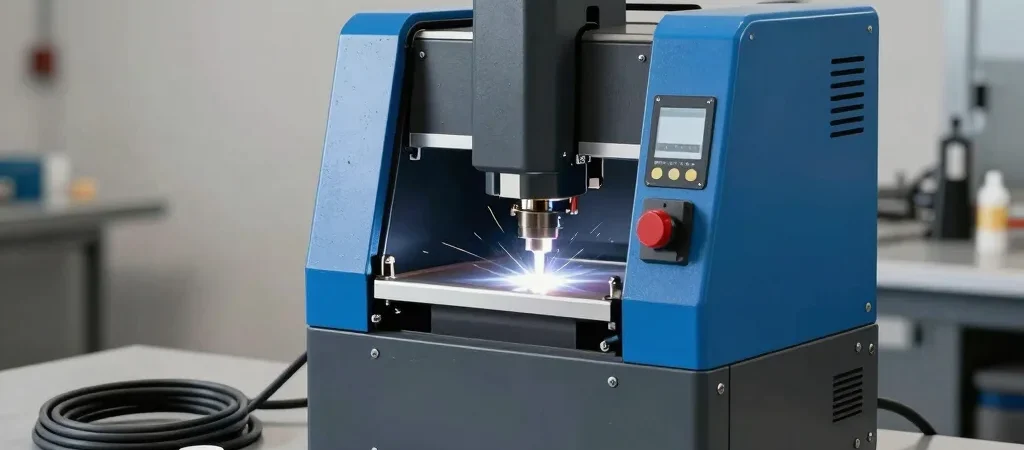
A multiprocess welder can look like an easy answer when a project list includes repair work, sheet metal, and occasional stick welding. The useful question is not how many process labels appear on the front panel; it’s whether the machine supports the processes you’ll use, at the power available in your workspace, with the setup each one requires.
Versatility Has Practical Limits
MIG, flux-core, stick, and TIG are not interchangeable modes of the same job. Each calls for its own consumables, setup, and operator technique, and some machines support only particular versions or configurations of a process.
Check the product manual and specification sheet for the exact process names and supported materials, rather than relying on a broad “multi-process” description. If most of your work is one process, compare the machine’s controls and published output for that process with a dedicated welder before paying for functions you may rarely use.
Check the Whole Setup
A welder’s input requirements can determine whether it fits your garage, shop, or jobsite. Confirm the required supply and plug arrangement against the outlets you actually have, and check the manual for any installation requirements before assuming a listed process is ready to run.
Then account for what may be needed beyond the machine: torch or gun, leads, work clamp, regulator, consumables, and any process-specific accessories. TIG capability, for example, does not by itself tell you which torch, control, or other components are included; verify the exact package contents and compatible accessories.
Decide Which Trade-Offs Matter
For a hobbyist who wants to learn several processes, one machine may reduce the number of units to store and move. For a working welder who relies on a single process every day, the more relevant comparison may be control layout, usable output for the intended work, and how quickly the setup can be changed between tasks.
Weldzen may earn a commission if you purchase through affiliate links; that does not replace checking the manufacturer’s specifications and manual for your intended setup. Before choosing, write down the two processes you’ll use most, the available power, and the accessories required—then compare machines against that list, not the process count alone.